Engineering × Ecology
Designing engineered bacteria that work — and stay safe — outside the lab. From regulatory frameworks to multi-decade field studies and microbiome-scale functional readouts.
Why this matters
Engineered microbes are one of the most exciting tools we have for problems that don't fit a bioreactor: bioremediation, agricultural enhancement, environmental sensing, diagnostics, and microbial therapeutics. But to use them at scale, we need to know how they actually behave once they leave the lab — under selection, in real microbiomes, over years to decades — and we need design and regulatory frameworks that respect that reality.
Our work spans the full span of this problem: from molecular-level circuit design and functional genotyping of complex communities, to multi-decade field studies of strains already released, to direct contributions to U.S. and international policy on engineered microorganisms.
What we work on
- Design & regulation of engineered bacteria for environmental release — translating biological design choices into deployment-ready strains (Nature Microbiology, 2025).
- Multi-year jungle-simulated trials: parallel engineering of environmental bacteria and characterising their performance under tropical conditions for years (PLoS One, 2022).
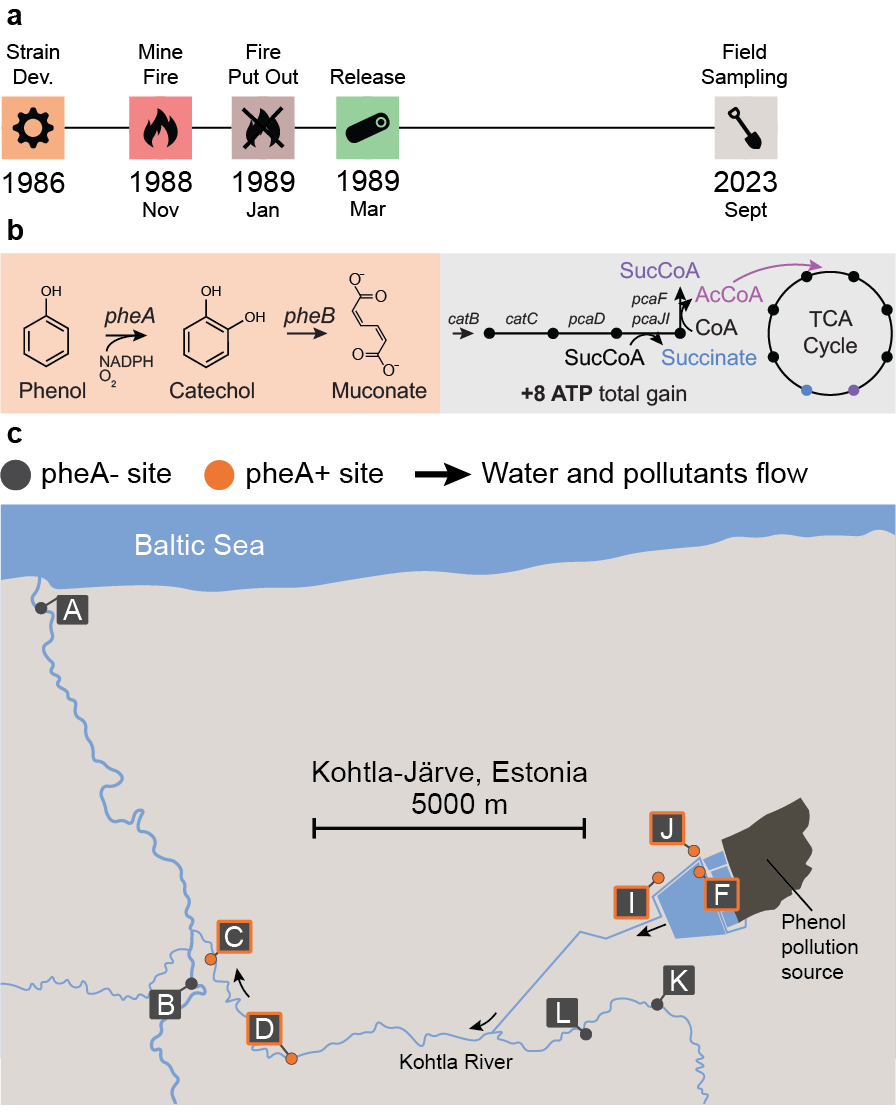
- Multi-decade field tracking (Estonia): a study of recombinant phenol-degrading genes released to a contaminated site near Kohtla-Järve in 1989 — and what we can learn from finding them, or not finding them, 35 years later.
- Functional genotyping of microbiomes: high-throughput readouts that link sequence variation to ecological performance.
- Water-protection bioremediation: engineered soil bacteria that detect and remediate contaminants (MIT J-WAFS, 2024–2026).
- Policy & regulation: ASTM E62 standards committee, NAS information sessions, Caltech workshops, Spirit of Asilomar 2025 summit.
From the field — Estonia, 2025
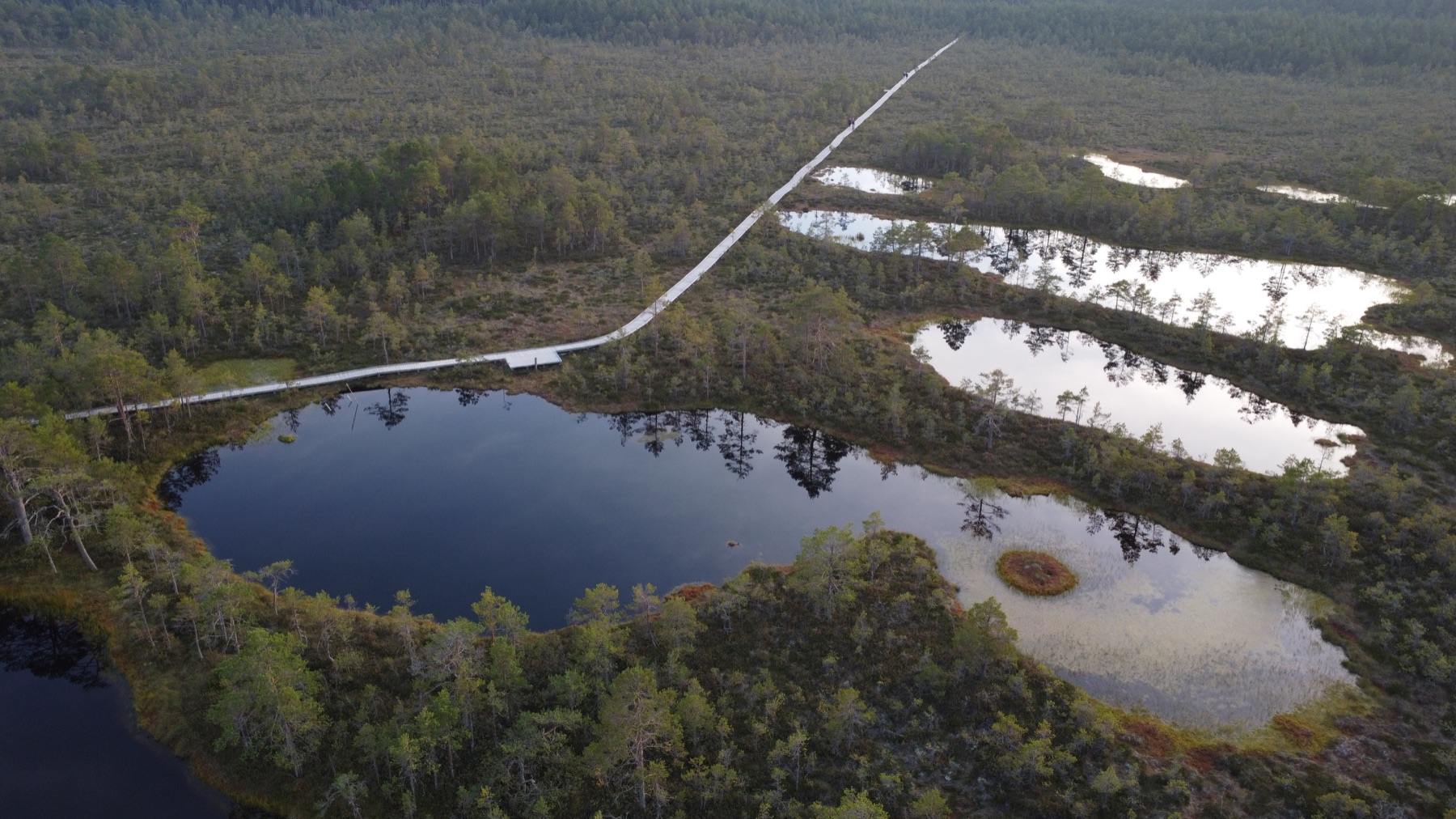
In spring 2025 the team sampled the peatlands of Estonia, tracking recombinant phenol-degrading genes released near Kohtla-Järve in 1989 — asking whether they persist, decades later, under pollutant selection.
Selected publications
- Y. Chemla, C. J. Sweeney, C. A. Wozniak, C. A. Voigt. Design and regulation of engineered bacteria for environmental release. Nature Microbiology, 2025.
- P. Clauer, A. X. Nou, T. Toth, Q. Yu, Y. Chemla, A. Boo, K. Yoon, C. Voigt. Synthetic biology of plants and microbes for agriculture, environment, and future applications. Chemical Reviews, 2026.
- Y. Chemla et al. Parallel engineering of environmental bacteria and performance over years under jungle-simulated conditions. PLoS One, 2022.
- Y. Chemla, V. Chen, A. Rekena et al. Recombinant genes for phenol remediation persist in a natural environment for decades under pollutant selection. In preparation, 2025.
- Spirit of Asilomar Workshop entreaties on the environmental release of engineered organisms (2025).
- Caltech LCSSP report: Policy recommendations for the regulation of engineered microbes for environmental release (2024).
See the full list on the publications page.